Featured

6 Sustainable What Do I Want To Eat? Tips To Help The Environment

The environment has suffered from human impacts for many years. In terms of food, this can be felt by food waste and food inequality in the world. According to the report made by Embrapa , each Brazilian throws more than 40kg of food in the trash a year. This alone shows that changing consumption habits by including sustainable foods in the diet is more than necessary.

One of the most critical results of this study is that fruits, vegetables, roots and tubers are at the top of the losses as much of what is harvested is thrown away. This reality needs to generate mass awareness of the entire population to prevent this kind of loss.

Keep reading this post for 6 sustainable eating tips to help the environment!

Sustainability and food

Exercising small attitudes in daily life is crucial to building a fairer and more balanced society. Choosing organic and natural foods, for example, contributes to the preservation of water, air, soil and, especially, health. After all, this type of food ensures the consumption of products free of chemical and pesticide additives, herbicides, pesticides and artificial fertilizers, which harm human health and can degrade the ecosystem.

In short, by combining sustainability and food, we contribute to the conservation of the planet, which offers a better quality of life for all and favors the conservation of natural resources.

The importance of sustainable food

Balancing body and mind requires conscious eating, and this does not only cover eating healthy foods. According to the Table of the Brasil Sesc SP Table on Integral Utilization of Food (EIA), the choice of food products should benefit the taste, health and nature in order to generate sustainability.
what do I want to eat you must consider the ingredient list, the recipe, and the disposal of leftovers. This type of food focuses on the use of parts of food that are often overlooked, such as bagasse, bark, leaves, seeds and stalks. The habit of EIA and non-waste can – and should – be practiced daily by any citizen, regardless of their economic and social background.

This means eliminating food biases, such as that certain food is only for low-income people, and considering that the “leftovers” thrown out have great nutritional value. It is scientifically proven that some parts contain more vitamins and nutrients than frequently consumed. For example, did you know that orange peel thrown in the trash contains much more calcium, phosphorus, protein and fiber than pulp?

Another factor is that much of this waste occurs before food reaches people’s tables for a variety of reasons, such as:

  • inappropriate production procedures;
  • road transport and precarious vehicles;
  • losses in retail and free markets.

For these reasons, it is necessary to rethink the measures adopted by food production.

6 Sustainable Eating Habits Tips

Check out what you can do to develop healthier eating habits to help the environment.

  1. Avoid the use of packaging.

The packaging (and wrappers) of paper and plastic that protect much of the food we eat are the biggest culprits for the growing volume of waste on the planet.

If you want to help reduce the waste produced , a good suggestion is to purchase fresh, unpackaged or biodegradable wrapping food.
  1. Change your cooking habits

what do I want to eat is obvious that using a pan for cooking is the best way to make your meals. But how about enjoying this cooking period considering sustainability?

A good idea is to use steam from a rice container to cook vegetables. Another interesting tip is to reuse the water used to cook vegetables – which have many nutrients – to make other recipes, such as beans, pasta and even desserts: cake, gelatin and pudding. Have you ever thought about that?

  1. Have a vegetable garden
    Do you have a balcony where you can grow some plants? Or a small space that fits some vessels? Set aside a few hours of your day to make a small garden at home and eat healthier.

It is not necessary to have a large area to grow fruit or vegetables. By cultivating a simple plantation of herbs and spices, for example, you contribute to the preservation of the planet and reduce your food costs.

  1. Enjoy 100% of your food whenever possible.

Do you have a habit of enjoying all your food when cooking? Being able to take advantage of the leftover pieces and shell of the product is critical to making your food more nutritious, reducing waste and saving money.

There are several simple recipes for pasta, pies, crumbs and soups that use stems, seeds, stems and leaves from various foods that would not normally be used. How about researching some possibilities to evolve your culinary skills?

  1. Value the consumption of organic products.

what do I want to eat ,Organic foods go through a sustainable production process in all its phases, with the objective of mitigating the damage caused to the environment. They can be meats, fruits, vegetables and even some processed foods such as cookies, pasta and bread.
Just find the organic seal on your package to know that you are buying sustainable merchandise. Here, just in case, it’s worth visiting the brand’s website and social networks to see if she’s really nature-friendly.

  1. Purchase Regional and Seasonal Products

Purchasing food produced in your region, as well as in the season of your production, is a good idea to encourage local retail and avoid various impacts on the environment, which are generated by storage, conservation, transportation and shelf life.

This is the first post on my new blog. I’m just getting this new blog going, so stay tuned for more. Subscribe below to get notified when I post new updates.
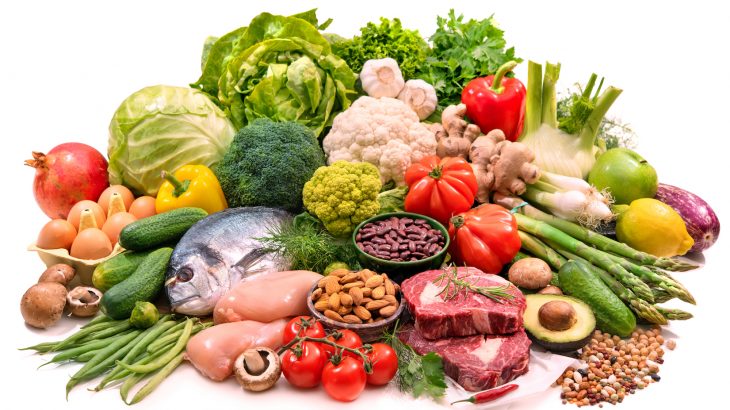
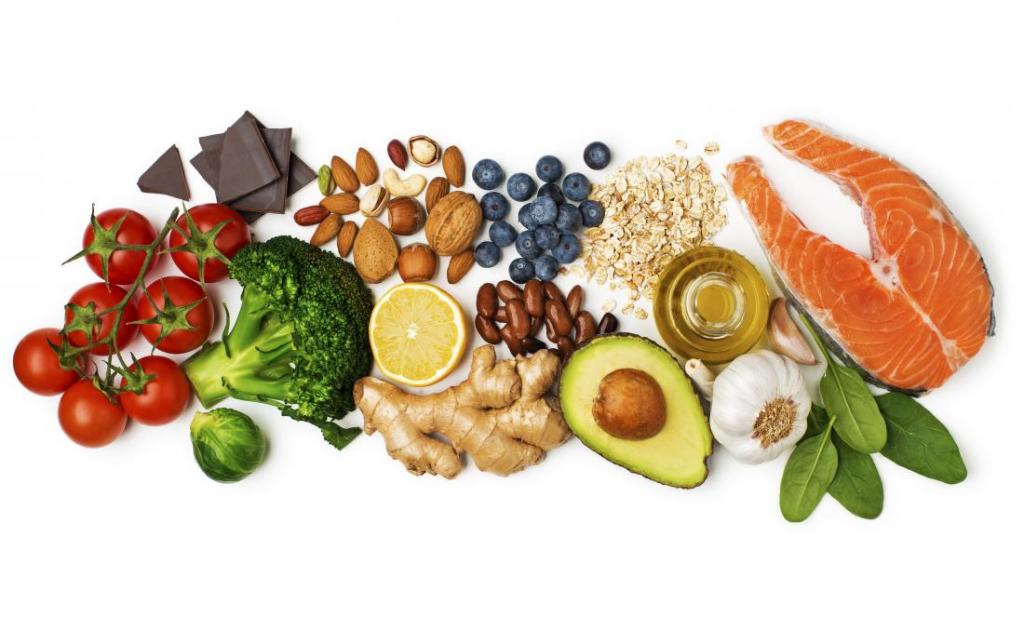
Know What Do I Want To Eat 5 Benefits Of Good Eating Habits

From time to time, a new fad diet comes up. They become popular because they sell the idea that the ideal weight can be reached in a short time. But dieting is not synonymous with good eating habits , much less well-being .

A survey conducted by the Department of Agribusiness (Deagro) of the Federation of Industries of the State of São Paulo (Fiesp) has observed a major change in consumption and food education of the Brazilian population in the last 7 years.

In 2010, Brazilians showed a preference for nutritious foods, that is, full of vitamins and good for health. But from 2017, due to the country’s economic crisis, the current reality is that low prices are the main factor in consuming a food rather than its nutritional value.

In addition, many claim that they have no time to cook and prefer to spend on cheap, and hence low nutritional value, spot foods : 77% look for fast and convenient foods , 44% of respondents consume whatever is available and only 33% if They worry about eating vegetables and fruits.

1 – Increases energy

Choosing healthy foods is vital for everyday life because eating them gives you more energy and a willingness to perform activities. Tiredness, moodiness, insomnia, overweight and obesity can accompany those who eat nutrient-poor foods and nourish poor eating habits .

A good diet yields nutritional balance and hence power supply to the body performs all its functions. Drinking water and eating fiber-rich foods such as brown rice, sweet potatoes, whole grains and quinoa, and those with high amounts of vitamins, such as vitamin C- rich lemon , can be strong allies in the production of energy.

2 – Prevent disease

what do I want to eat to Choosing a healthy foods can save your life. It sounds drastic, but the truth is that a balanced diet prevents many types of diseases. Obesity, binge eating and eating disorders are some examples.

The World Health Organization (WHO) defines obesity as one of the biggest public health problems in the world. By 2025, an estimated 2.3 billion adults are overweight and over 700 million obese . The number of overweight and obese children in the world is frightening as it tends to grow to 75 million if no action is taken.

A survey by the Ministry of Health and the National Supplementary Health Agency (ANS) shows that the proportion of overweight adults has increased from 46.5% to 53.7%. Regarding obesity, the percentage went from 12.5% ​​to 17.7%, an increase of 41.6%.

Eating Diseases:

Obesity;
Hypertension;
Anemia;
Diabetes;
High cholesterol ;
Cardiovascular diseases;
Insomnia and problems with sleep;
Attrition, arthrosis and muscle pain;
Eating disorders;

3 – Improves mood

Did you know that a healthy diet can dictate your mood? A study by the University of Las Palmas in Spain evaluated 21,000 people who, who maintain a diet rich in trans and saturated fat, are more likely to suffer from depression . The journal The Lancet published research in linking poor diet to one in five deaths from the disease worldwide, which makes more than 10 million victims every year.

If you feel irritable, tired, unmotivated or inattentive, it may be the fault of the foods you eat, as the chemistry of some foods can alter the production of neurotransmitters , the substances that are responsible for transmitting nerve impulses in the brain.

The carbohydrates , for example, perform the function of raising the level of insulin and help in tryptophan absorption, the latter being essential in the formation of serotonin, the regulator neurotransmitter mood, sleep, appetite, heart rate, body temperature, etc. . That is, if carbohydrate is cut from the diet, the person may feel more irritated.

4 – Regulates hormone production

The choice for healthy dishes is fundamental in regulating the hormonal clock we all own. what do I want to eat to balance of hormonal functions dictates the whole functioning of the body, so it is essential to keep them in order as they control from sleep, mood and sexual desire, to the maintenance of weight itself.

The estrogen , the female sex hormone, for example, is responsible for the provision of fat in the female silhouette training. If it is low, the waist tends to get larger. It is not possible to replace this hormone with food , but it is possible to choose foods rich in phytoestrogen, a vegetable substance found in soybeans and legumes, for example.

5 – Retards aging

Food and health go hand in hand, especially when it comes to aging. This natural process implies reduced cell multiplication, protein synthesis, collagen, elasticity, healing capacity and regeneration. But did you know that it is possible to slow this process by choosing the foods we eat?

According to Globo Esporte’s website , antioxidant foods with photoprotection functions , such as beta-carotene: pro-vitamin A, act on visual acuity, skin recovery, protect from sunlight, neutralize free radicals. Fruits such as papaya, apricot, mango and melon, as well as dark green leafy vegetables like spinach, have these substances.

The Vitamin C is famous for acting in the production collagen , a protein that gives structure, firmness and elasticity to the skin, stimulating cell proliferation and healing process. Legumes are great sources of collagen and can be critical to the youthfulness of the skin.

what do I want to eat the benefits of healthy eating go beyond aesthetics; after all, health is at stake. Medical advice and follow-up with nutritionists is essential for a nutrient-rich and balanced diet. To take action for food reeducation is to preserve one’s life.

What Do I Want To Eat Healthy Eating 9 Essential Foods For Your Health

Experts have long suggested that food may be the best medicine for many disorders. After all, nature is rich in providing a number of foods and nutrients that can prevent and even cure diseases and problems in our body, and bring many health benefits.

A healthy diet rich in vitamins, minerals and fiber is the key to maintaining the proper functioning of the body. And it offers other advantages, such as flawless skin and hair!

This way you nourish yourself naturally, and you rarely have to resort to expensive treatments or remedies. So to start investing in a better lifestyle now, get to know these 9 essential foods that will upgrade your health and bring more vigor to your daily life!

Oilseeds

Nuts, nuts and almonds are some examples of oil fruits. Besides being very delicious, they are rich in omega 3, which helps in lowering blood pressure and decreases the risk of cardiovascular disease.

Oilseeds are also a source of unsaturated fat, which helps lower cholesterol and triglycerides. And there is more! They have minerals such as copper, magnesium and selenium, which help to minimize stress and produce more energy for the body.

Oats

Oats are an excellent source of low glycemic index fiber and carbohydrates. Thus, they give more satiety and energy and more willingness, but without causing the body to spike with the release of insulin in the blood.

What Do I Want To Eat oats help to control the sugar rate, preventing diseases such as diabetes, for example. Incidentally, it is worth remembering that diabetes is a major cause of male sexual impotence.

So one suggestion is to whip up a breakfast of oats, bananas and honey. Bananas are rich in serotonin – which regulates mood, making you happier and fighting apathy – while honey is a natural energizer.

Green Vegetables


Vegetables such as arugula, kale, spinach, broccoli and watercress are inexhaustible sources of various important nutrients for health from head to toe. Experts point out that they help fight different diseases and, in the case of men, impact on sperm production and increased fertility.

Arugula and broccoli, for example, have a lot of vitamin C and fiber that benefits the immune system and treats heart health. They are also rich in flavonoids, anti-inflammatory compounds that fight allergies and minimize the risk of skin damage.

Lean Meats


Lean meats, such as fish and chicken without skin and fat, have certain proteins – especially keratin and collagen – which are widely known for giving hair more strength , thereby preventing hair loss and baldness.

Fish in particular should be eaten at least twice a week as they are a source of omega 3, selenium and vitamin B3.

These nutrients help improve circulation to the scalp, making nutrient delivery to the hair easier. In addition, they even protect the scalp from solar radiation and inflammation.

Green Tea
Like coffee, green tea has caffeine, a thermogenic substance that boosts mood and stimulates metabolism, resulting in fat burning and increased caloric expenditure.

But tea also contains amino acids and antioxidants, which further contribute to weight loss and the prevention of heart disease, cancer and diabetes.

Orange foods

Orange-colored foods, such as carrots, squash, mangoes and papaya, have beta carotene, which is excellent for keeping your skin beautiful and protecting it from the sun’s rays. Roughly, this nutrient prepares the skin to come into contact with the sun and, in addition, helps the body to produce melanin and achieve a perfect tan.

In addition, beta-carotene has the function of regulating sebum production, preventing excessive greasiness of the scalp. And it also helps to keep the threads healthier and more elastic.

Coconut Water

Coconut water is a powerful source of hydration and energy for the body. Formed by an impressive combination of nutrients, this drink is unmatched by any other industrialized rehydration product to be consumed after sports , for example.

What Do I Want To Eat to being a potent moisturizer, coconut water reduces the risk of disease, contributes to better performance of kidney functions and digestion. It also helps keep the immune system fully functioning with anti-aging properties.

Red Fruits

Red fruits are very successful at dessert time, and the bright side is that they are rich in antioxidants. These substances help prevent various types of infections, such as urinary tract infections, and also prevent memory loss.

Strawberry, raspberry, blackberry and even tomatoes have lycopene. An antioxidant responsible for giving red color to these fruits is very important for men’s health as it reduces the chances of developing prostate cancer.

Garlic

From ancients times garlic has been used to treat various types of disease. And its antiviral and antibacterial properties make it a strong agent against colds, flu and other infections.

In fact, this superfood has great potential, and brings many benefits to our health , such as fighting blood pressure and free radicals.

In addition, garlic has an active ingredient called allicin, What Do I Want To Eat is very useful in treating acne, asthma and arthritis. And this substance even helps improve blood flow to the genitals, contributing to male sexual health!

Finally, investing in healthy eating is really the key to keeping your body and mind healthy! So incorporate these foods into your meals, and start to feel their benefits in your body and the sense of well-being they can provide! Try it!

Healthy Food What Do I Want To Eat? Mental And Emotional Health

We all know that eating well can help maintain a healthy weight and avoid certain health problems, but the diet can also have a profound effect on mood and sense of well-being; Studies have linked eating a typical diet full of red and processed meats, takeaway foods, and sugary snacks with higher rates of depression, stress, bipolar disorder and the famous Western anxiety, and can even lead to loss of judgment, schizophrenia or Alzheimer’s

Eating more fruits and vegetables, cooking healthy at home, and reducing fat and sugar consumption, on the other hand, can help improve mood and reduce the risk of mental health problems; In addition, science demonstrated through many investigations that people with memory problems control symptoms and regain control of their lives, although it has been shown that some specific foods or nutrients have a more powerful effect than others, in the general dietary pattern.

A person does not have to be perfect and completely eliminate the foods he likes to have a healthy diet and make a difference in the way of thinking and feeling.

Tips to start a new life

what do I want to eat? you should have a healthy diet planning as a series of small and manageable steps, such as adding a salad to the diet once a day, instead of a drastic change that can affect Emotions, then, as small changes become habit, you can continue adding more healthy options.

Prepare your own meals; Staying at home to cook more meals can help us take care of what we are eating and we will have a better picture of what happens inside the meal.

Make the appropriate changes; When cutting off the consumption of unhealthy foods, it is important to replace them with healthy alternatives, for example the replacement of animal fats with vegetable fats (such as butter with olive oil), but the exchange of animal fats for refined carbohydrates which is Another type of habit (bacon at breakfast for a sugary donut) will not reduce the risk of having heart disease or improving mood.

Simplify; Instead of too much worry about counting calories, you have to think about a diet in terms of color, variety and freshness, avoiding packaged and processed foods, opting for more fresh ingredients.

what do I want to eat ,its very important to be aware of what is in foods that manufacturers often hide, such as large amounts of sugar and salt in packaged foods, even in foods that claim to be healthy.

Focus on how we feel after eating; This will help to encourage new habits and tastes, because by eating a healthier meal, the body will feel better after a meal, compared to a junk meal that will induce feeling discomfort, nausea or reduced energy.

Drink plenty of water; This helps eliminate our systems waste products and toxins, however, many people have a dehydrated life, which causes fatigue, lack of energy, and headaches.

What types of food to consume

Moderation is the key, trying not to think about excesses; Then you have to take the time to eat in a place with the right environment for the most important moment of the human being, where it loads its vital energy through nutrients that feel a state of stress or tension in the environment. It is better to eat in smaller portions to be satiated in the shortest time, get together as much as possible with others, and reduce the amount of meals at night, using some healthy and even tasty snacks between meals, among other tips;

Fill in colorful fruits and vegetables
Select complex carbohydrates by simple (whole grains)
Eat healthy fats daily, including monounsaturated and polyunsaturated fats
Reduce salt, moving to spices, herbs and natural sauces.
Try to eliminate sugar, for other natural options such as stevia or saccharin
Add calcium to protect bones with dairy, vegetables and beans, and beans
Add high quality protein to foods, such as meat and vegetables
Fiber should be present in the diet from breakfast to dinner
To know how healthy food benefits mental and emotional health , it has a simple equation; when better quality of nutrients reaches the places where they should arrive, the brain receives a signal of satisfaction, which allows it to ignite the wick of well-being, through hormonal behavior that is closely linked with diet and behavior before life before cravings

Healthy food provides nutrients that the body’s cells need to perform their functions correctly; Without a proper balance of nutrients, metabolic processes dramatically slow down physical health, and healthy food also helps protect the body against diseases such as heart disease, type II diabetes and cancer.

On the other hand, what do I want to eat the lack of certain vitamins and minerals, such as vitamin B12, calcium and iron, is linked to the symptoms of depression; Eating nutritious meals regularly provides the energy needed to live and complete daily tasks to have a happy and balanced life, and if this does not happen, it can negatively influence mental health.

Eating healthy foods can lead to weight loss, increased energy and improved mental health; looking and feeling good is a positive impact on self-confidence, and greater self-esteem can make you have more social confidence, strengthen your desire to forge new friendships, the expected success in professional or business and new romantic relationships.

Design a site like this with WordPress.com
Get started